
Sustainable eating involves choosing a way of eating you can maintain over the long term. Do you believe that mainstream diets, with all their rules, achieve that?
Ponder that for a moment.
When we see an unflattering scale weight or dislike our reflection, it’s diet time. We pick a diet, and try to follow its rules. It works because you consume fewer calories, and the pounds drop, and you and the mirror become friends.
But how long can we maintain diet perfection? Human nature tells us not for long. Why? Life happens, and we fall off the wagon. What happens when we fail?
It depends on the person, but it’s usually not pretty.
Diets work, but the diet industry depends on repeat customers. How do they get them? In fact, they rely on failure. But what if there’s a better way?
Sustainable Eating Versus Dieting
Dieting comes with a short-term mindset. There is a start date, a list of rules, and a bunch of foods you are supposed to eliminate. It works, but life comes crashing back in with stress and busy schedules.
Sustainable eating aims to change your mindset from “How fast can I lose weight?” to “How can I eat in a way that supports my health and goals without being miserable?” That is a huge difference. Sustainable eating is built not on perfection but on consistency.
Dieting often relies on restriction, while sustainable eating relies on establishing better habits. One cuts things out. The other builds things in. More protein, more fruits and vegetables, and more meals that keep you full and energized. More awareness around emotional eating and mindless snacking.
It is less about white-knuckling your way through hunger and more about creating an approach you can repeat on your busiest, messiest days.
You’ll learn to eat like an adult, rather than like a contestant on The Biggest Loser. This approach helps you build trust in yourself around food, allowing you to avoid the cycle of being “good” all week and then going off the rails on the weekend. While dieting may promise quicker results, sustainable eating provides a better alternative: a way of eating that you can maintain in the long run.
Sustainable eating for the win.
My Experience With Dieting
After relocating to the USA and getting married in 2001, my wife and I quickly gained weight. At that time, the trendy diet was the Atkins Diet, which initially restricted carbohydrate intake to just 20 grams and encouraged people to increase their fat consumption.
That was great because I love bacon. We followed it for a while, and it worked, at least based on my hazy memory, but the lack of carbs is an issue. That restriction was not sustainable for me.
Then I followed the eating craze of eating every 3 hours, whether I was hungry or not. The premise is that constant feeding keeps your metabolism humming, helping you lose weight. I was jamming down food every 3 hours like a zealot, never far from the kitchen.
That wasn’t sustainable either, but we know this method doesn’t work. Next, we’ll discuss a couple of habits to improve your nutrition without dieting.
Try This Sustainable Way Of Eating
Instead of adhering to unrealistic diet rules, try something different for four weeks.
Focus on building a few simple eating skills instead of trying to overhaul your entire diet overnight. The goal here is not perfection, and here’s what you’ll do.
- Start with one meal a day.
- Slow down, pay attention, and chew your food.
- Work on eating slowly, stopping when you feel about 80% full, sticking to more structured meal times, and reducing distracted eating.
How can you tell if you’re 80% full? When you slow down, and your stomach feels satisfied but not stuffed, that’s a great indication.
When you have the 80% full down, try to eat a balanced meal every 4 to 6 hours, consisting of a plate with 50% fruit and vegetables, 25% protein, and 25% carbs.
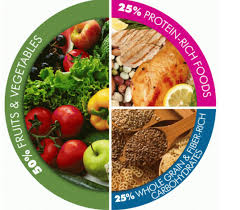
That gives your body enough fuel without leaving you starving or overstuffed. A good rule of thumb is this: if you are hungry again in less than three hours, you probably did not eat enough. If you’re full six hours later, you ate too much. But it’s not about obsessing over the clock; it’s about learning your body’s signals and using meal timing as a guide instead of winging it.
Sustainable eating habits work because you don’t need a perfect meal plan or superhero willpower. You need practice. Some meals will go well, and some will not. It’s all part of the deal. Failure is not proof that you cannot do this; it is feedback.
Over these four weeks, the winning isn’t being perfect. The win is about noticing, learning, and improving a little each day. That’s how sustainable eating becomes a habit.
Wrapping Up
Diets help people lose weight, but they don’t account for when life gets messy. They require commitment and perfection, which, over the long term, are hard to maintain. But, with a bit of work and eating in tune with your body, you’ll lose weight and get healthier without hating life.
Who’s in?
Email me at shanemcleantraining@gmail.com, and I’ll send you 4 weeks’ worth of templates to help you change your eating habits.
Leave a Reply